Feminaminals

Call for papers Representations of Women and/as Animals in Literature, Arts, and Other Media

University of Oxford, Oriel College, 14-16 April 2027
Keynote speakers: Prof Chloë Taylor (University of Alberta) and Dr Kaori Nagai (University of Kent)
Roundtable with Queer Kinship Network led by Prof Charlotte Ross (University of Oxford)
Organising committee: Dr Fanny Clemente (University of Oxford), Dr Greta Colombani (independent scholar), Dr Cécile Bishop (University of Oxford)

FEMINANIMALS is a three-day international conference investigating representations of women as non-human animals and of the relationship between women and non-human animals in literature, arts, and other media across languages, from medieval to contemporary times. The last decades have witnessed an explosion of theoretical discourses directed towards a critique of humanism and a re-evaluation of humans’ interactions with the non-human world and wider ecosystem. Since the 1970s such a focus has found a privileged expression in ecofeminist theories, which have started to interrogate and deconstruct the history-long, negatively connoted association of women with non-human animals and to denounce the fundamental links between the oppression of women and that of non- human nature simultaneously perpetrated by the patriarchal system. From the ecofeminist manifestos of the 1990s (Gaard 1993, Gruen 1993, Plumwood 1993, Adams and Donovan 1995), the field of inquiry examing the deleterious intersections of anthropocentric and androcentric attitudes has been prolifically expanded and enriched by a notable array of theoretical standpoints adopting diverse disciplinary perspectives and an increasingly intersectional approach, that is, bringing to the fore of the analysis other categories of oppression that ought to be necessarily considered alongside gender and species, such as race, sexuality, class, physical abilities. Recent contributions to the field include Alaimo and Hekman 2008, Decka 2012, Adams and Gruen 2014, Gaard 2017, Vakoch and Mickey 2017, Braidotti 2022, and Taylor 2024. Theoretical discourses on the intersected nature of different systems of oppressions have been productively applied to the study of literature and other arts. Some of the above-mentioned works already include references to or analysis of literary and artistic sources (Taylor 2024); other contributions directly postulate, for instance, the benefits of intertwining ecofeminism and literary criticism (Gaard and Murphy 1998, Vakoch and Mickey 2019, and Vakoch 2023). Increasingly moving away from a privileged Anglo-American-centred perspective, moreover, scholarship is embracing more comprehensive assessments of literary and artistic portrays of nature, non-human animals, and humans’ relationship with them. Following in the footsteps of such recent contributions, dialoguing with different theoretical approaches and exploring different media, FEMINANIMALS seeks to enrich and foster ongoing discussions around the connections and intersections between our changing constructions of womanhood and animality by looking at representations of women as non-human animals and of the relationship between women and non-human animals, from medieval to contemporary times, assessing the significance and implications of those representations against the backdrop of diverse historical and cultural contexts. Across time and space, literature, arts, and other media have been pervaded by portrayals of women as/and animals, from the moralistic, religiously informed intertwining of gender and species in medieval bestiaries, exempla such as the cuento XXXV “La mujer brava” in Don Juan Manuel’s El Conde Lucanor or works like Boccaccio’s Il Corbaccio (ca. 1365) describing women as an “animale imperfetto” to the countless retellings and translations of the legend of the half-human half-snake Melusine in widely circulating texts like Jean d’Arras’s Mélusine (ca. 1393) and its adaptations in the following centuries, from the woman-animal erotic unions and shapeshifting in the late seventeenth- and early eighteenth-century supernatural tales Liaozhai zhiyi by Pu Songling to the numerous poems dedicated to wild, exploited, or domesticated animals by Romantic and Victorian women authors such as Anna Letitita Barbauld’s “A Mouse’s Petition” (1773) and Elizabeth Barrett Browning’s “To Flush, My Dog” (1843), from Odette’s transformation into a swan in Pyotr Ilyich Tchaikovsky’s ballet Swan Lake (1877) to visual depictions of woman-animal entanglements like Oskar Kokoschka’s painting Mädchenakt auf galoppierendem Schimmel in Weiherlandschaft (1905) and the surrealist works of Leonora Carrington who herself identified as a “female human animal”. The manifold associations between women and non-human animals continue to be prominent in recent times, enriched by new media and perspectives, with meaningful examples including Clarice Lispector’s novel A paixão segundo G.H (1964) centring on the unsettling encounter of the female protagonist with a cockroach, Marie Darrieussecq’s satirical tale of a woman’s metamorphosis into a female pig in Truismes (1996), the Africanfuturist speculative fiction of Nnedi Okorafor who endows the heroine of Who Fears Death (2010) with the magical ability to turn into a vulture and dedicated her novella Binti (2015) to a jellyfish, and the central place that the porous borders between women and animals occupy in Athina Rachel Tsangari’s cinema, particularly in Attenberg (2010) and her short film The Capsule (2012). What can these pervasive representations of women as/and animals in different cultures and historical periods tell us about the complexities and intersections of shifting notions of gender and species, the fraught line between humanity and animality, and the entwined practices of domination and othering to which women and animals have been subjected? How can we look at such a variety of literary and artistic sources with the benefit of decades of theoretical perspectives that have tackled the historical, philosophical, social, cultural, and political implications of the multifaceted association of women and non-human animals? In what crucial ways can an interdisciplinary, comparative, and temporally wide approach help us think about and rethink this fundamental pairing today, as we continue to navigate, experience, suffer, and/or reclaim it against the backdrop of a dramatic environmental crisis, a deterioration of our relationship with nature and other living creatures, and a new rising tide of sexism that is infiltrating the virtual and real-life world? The conference aims to foster new conversations around these questions by inviting scholars to examine representations of women as/and animals across languages and cultures, from medieval times to the present day. We encourage proposals considering works belonging to different media and genres, focusing on canonical as well as non-canonical authors and artists, and dialoguing with diverse theoretical and methodological approaches, such as human-animal studies, posthumanist studies, new materialism studies, ecofeminist studies, animal studies, critical animal studies, animality studies, gender studies, critical race and postcolonial studies, queer studies, psychoanalytic and post-structural studies, affect theory, and other relevant fields of inquiry.

Papers may explore topics including, but not limited to:

  • women-animals metamorphoses
  • women-animals hybrids
  • women, animals, and the body
  • women, animals, and sexuality
  • women, animals, and gender
  • women, animals, and race
  • women, animals, and class
  • women, animals, and motherhood
  • metaphors of women as animals
  • women, animals, and language
  • kinship between women and animals
  • women, animals, and ethics and aesthetics of care
  • women, animals, and the environmental crisis
  • women, animals, and science
  • women, animals, and spirituality
  • women, animals, and folklore
  • women writers/artists and animals
  • trans women and animals
  • women, animals, and the male gaze

The conference is part of a wider project including a cultural programme of public events that will take place at the Schwarzman Centre for the Humanities in April 2027 and will consist in:

  • a writers roundtable with authors Naomi Booth, Chịkọdịlị Emelụmadụ, Helen Jukes, and Helen Macdonald;
  • a screening of H is for Hawk (2025) preceded by conversation with director Philippa Lowthorpe.

More information on the cultural programme, confirmed dates, and how to register will follow. All conference participants are very welcome to extend their stay in Oxford to attend the events. Please note that the conference will take place in person in Oxford with no possibility for hybrid participation. There will be no conference fee. All presentations should be in English and last no longer than 20 minutes. Proposals, including title, abstract (250 words max), and short bio (150 words max), must be submitted via email in a single Word document to Dr Fanny Clemente and Dr Greta Colombani by 15 July 2026. Notification of acceptance will be sent by 30 July 2026. Please feel free to contact the organisers Dr Fanny Clemente and Dr Greta Colombani at any point for inquiries and further information. 

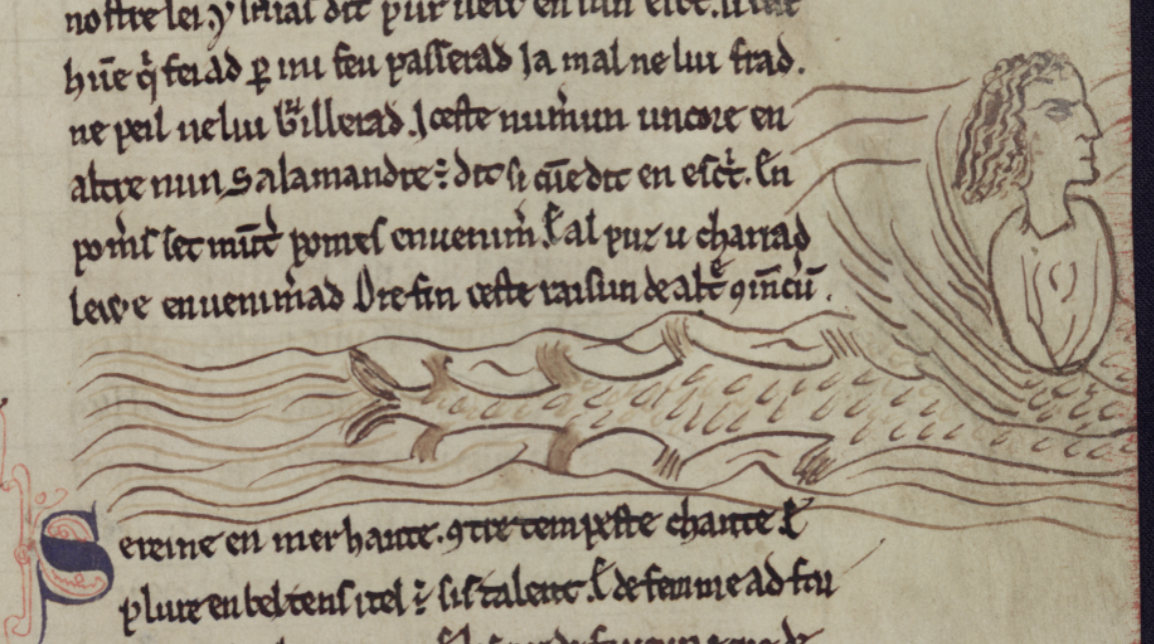
Image: The siren from the Merton Bestiary https://editions.mml.ox.ac.uk/editions/bestiary/#Serena


Medieval Matters TT26, Wk 2

Welcome to week 2. Alongside the usual weekly roster of reading groups and opportunities, this weeks sees a number of exciting one-off events: ‘Black Lives in the Archives’ (Thur), Prof Treharne on ‘The Look of the Medieval Book’ (Fri), and Dr Griffith in the annual O’ Donnell Lecture (Fri).

Monday

  • French Palaeography Manuscript Reading Group – 10:30, Weston Library. If you are interested in joining the group or would like more information, please email the convenor Laure Miolo.
  • Medieval History Seminar: – 5:00, All Souls College. Nancy Thebaut (St Catherine’s College, Oxford) will be speaking on ‘When Christ turns away: representing the ascension ca. 1000’.

Tuesday

  • Latin Palaeography Manuscript Reading Group – 2pm, Weston Library. Those who are interested can email the convenor Laure Miolo.
  • Medieval Church and Culture Seminar– Tea & coffee from 5pm; papers begin at 5.15pm, Harris Manchester College. Hannah Free (Kellogg) will be speaking on ‘Christian Fanfiction? Searching for truth in biblical retellings’; Samuel Bedford (Wadham) will be speaking on ‘Reginald Pecock’s Rationalist Turn: a study in medieval intellectual biography’

Wednesday

  • Methods in Arabic and Islamic Studies Class – 10:30, LMH Library.
  • Medieval German Graduate Seminar on Thomasin von Zerklaere – 11:15, Oriel College. If you are interested to be added to the teams group for updates and access to the sources, please contact Henrike Lähnemann.
  • Old Norse Reading Group – 5:00, Merton College, Americas Room. This term we are reading Völsunga saga. If you are interested in joining the group, please contact one of the group convenors via email Brooklyn Arnot or Zeynep Kirca. 
  • The Medieval Latin Documentary Palaeography Reading Group – 4:00, online. To join and/or to find out more about this and the possibility of some hands-on experience of cataloguing such documents to develop further your research skills, please contact  Michael Stansfield.
  • Late Antique and Byzantine Seminar – 5:00, Late Antique and Byzantine Seminar, Ioannou Centre. Ekaterini Vavaliou (Oxford) will be speaking on ‘Dissecting a Medieval Frontier: The Fortifications of Eastern Central Greece‘.

Thursday

  • Middle English Reading Group (MERG) – 11:00, Lincoln College, Beckington Room. All are welcome as we finish Sir Gawain and the Green Knight. Bring any edition of the original text! There will be tea and biscuits. For more information or to be added to the mailing list, please email Rebecca Menmuir. 
  • Writing Environmental History Workshop – 2:00, Schwarzman Centre Room TBA. For updated meeting information, please email Ryan Mealiffe.
  • Black Lives in the Archives: Chivalric Romances – 3:00, Weston Library. This hands-on workshop will explore how surviving medieval manuscripts can help us understand race and race-making in medieval Europe. Register here.
  • Medieval Women’s Writing Research Seminar- 4:00, Somerville College. Spiritual and Material World, including extracts from the works of Margery Kempe, Leonor López de Córdoba and Isabel de Villena 
  • Medieval Visual Culture Seminar – 5:00, St Catherine’s College. Cécile Voyer (Université de Poitiers) will be speaking on “Under the Gaze of the Judge: New approaches to a re-reading of the Conques tympanum” 
  • Centre for Manuscript and Text Cultures: Global Manuscript and Text Cultures Seminar – 5:15, Memorial Room, Queen’s College. Shaahin Pishbin (Queen’s) & Thomas Newbold (Asian University for Women, Chittagong) will be speaking on M’uhajir manuscripts: Field notes from the Alia Madrasa Library in Dhaka’; Jaimee Comstock-Skipp (New College) will be speaking on ‘What’s in a nisba? Manuscript makers and migrations in 16th-century Central Asia’.
  • The Khalili Research Centre Seminar – 5:15, KRC Lecture Room. Suna Çağaptay (Muğla Sıtkı Koçman University) will be speaking on ‘Reading Between the Lines: The Maritime Landscape of Anaia on the Byzantine-Genoese and Aydinid Cusp’ 
  • Guild of Medievalist Makers – 5:30, online. Making Space Session –  optional theme: dreams.
  • Bede Reading Group (or, ‘Bede-ing Group’) – 6:00, Blackfriars. To sign up, email Maura McKeon. Don’t stop Bede-lieving.
  • Compline in the Crypt – 9:30, St Edmund Hall.

Friday

  • Medievalist Coffee Morning – 10:30, Visiting Scholars Centre (Weston Library). All welcome, coffee and insight into special collections provided.
  • Older Scots Reading Group – 3:00, Schwarzman room 30.401. No intensive preparation required. All are welcome and there are usually snacks. This week the theme is Orpheus and Eurydice. Contact megan.bushnell@ling-phil.ox.ac.uk for further details.
  • Oxford Medieval Manuscript Group – 5:00, Merton College Mure Room. Professor Elaine Treharne (Stanford University) will be speaking on ‘The Look of the Medieval Book: Manuscripts and Their Uses’. Please join us for a drinks reception following the lecture.
  • Medieval Latin Reading Group – 5:30, Christ Church. This term, we will be reading the Cosmographia of Bernardus Silvestris in the original. For more information, please contact Clara Bykvist or Monty Powell. 
  • O’ Donnell Lecture – 5:30, Schwarzman Centre for the Humanities. Dr Aaron Griffith (Utrecht University) will be speaking on ‘Old Irish: plenty of variation, but of what kind?‘. Register for free tickets here. 
  • A Multilingual Moses Play – 6:30, Ioannou Centre.

Opportunities (see Medieval Studies booklet for full details)

  • The experimental production of the Harrowing of Hell is still looking for players. More information can be found here.
  • OMS small grants is now open! Grants are normally in the region of £100–250 and can either be for expenses or for administrative and organisational support such as publicity, filming or zoom hosting. Closing date for applications: Friday of Week 5.
  • Publishing with the Journal Manuscript and Text Cultures. Are you interested in submitting to the journal Manuscript and Text Cultures? Please review the About the Journal page.
  • Register for the Anglo-German Research Funding Opportunities Showcase, Wednesday, 13 May  •  2 PM – 5:30 PM | Eventbrite. The Global Engagement team will host representatives from some of the major German and UK funding bodies (DFG, The Royal Society, the Alexander von Humboldt Foundation, the Royal Academy of Engineering and more) at Rhodes House; for Early Career People as well as established researchers!
  • Sir John Rhŷs Prize for the study of the Celtic languages, literature, history, and antiquities. Entries should be submitted by email, with the subject line “Sir John Rhŷs Prize”, to the English Faculty Office, no later than Monday of Week 8 of Trinity Term (15 June 2026).
  • CfP – 9th International Conference on Myth Criticism. Deadline: 15 May 2026
  • CfP – The Nine Worthies: Interdisciplinary Perspectives. Deadline: 15 May 2026
  • CfP – Contested Ground: Ownership and Belonging in the Middle Ages. More information here. Deadline: 1 June 2026.
  • CfP – 1027 – 2027 : The World in which William was Born. More information here. Deadline: 1 June 2026.
  • 20th MEMSA Anniversary Conference. More information here. Deadline: 20th June 2026.
  • The Mortimer History Society will once again be offering two Research Bursaries (each of £1000) for the academic year 2026 to 2027, for PhD and MA students whose research includes any aspect of the medieval Welsh Marches or the Mortimers. More information here. Deadline: 30 June 2026.
  • Bodleian Purchasing Opportunity. Do you know of books that would aid your work but are not in the Bodleian? Help us strengthen the university’s collections. You can submit details of suggested books via https://www.bodleian.ox.ac.uk/collections-and-resources/recommend-a-purchase or by email to medieval@bodleian.ox.ac.uk.

Medieval Matters TT26, Wk 1

Welcome back to Trinity term.

There have been a substantial number of new additions to the booklet since the draft issued last week – please have a check through the updated booklet here for even more medieval events throughout the term. For some time-sensitive announcements (such as the call for actors for an experimental production of the Harrowing of Hell) read through to the end under ‘opportunities’! A reminder that if there are any changes to events such as rooms or times, we are always happy to update the weekly blog post and calendar of events which is integrated into theblog.

Monday

  • French Palaeography Manuscript Reading Group – 10:30, Weston Library. If you are interested in joining the group or would like more information, please email the convenor Laure Miolo.
  • Runic Germanic Inscriptions and Language Lectures – 2:00, room 30.445 of the Schwarzman Centre
  • Medieval History Seminar: – 5:00, All Souls College. Ruth Mazo Karras (Trinity College, Dublin) will be speaking on ‘Parental control of women’s marriage in late medieval Paris’
  • Italian Research Seminar – 5:15, Taylorian, Room 2. Geri Della Rocca de Candal (Sapienza) will be speaking on ‘Italian Incunabula in US Collections: Paths, Patterns, and Investigation Methods’

Tuesday

  • Latin Palaeography Manuscript Reading Group – 2pm, Weston Library. Those who are interested can email the convenor Laure Miolo.
  • Medieval French Research Seminar – 5:00, Maison Francaise. Benedetta Viscidi (Université de Fribourg) will be speaking on ‘Représentations et mythes du viol dans la littérature médiévale en français: le cas du roman’ 

Wednesday

  • Methods in Arabic and Islamic Studies Class – 10:30, LMH Library.
  • Medieval German Graduate Seminar – 11:15, Oriel College. The first week will be a shortish planning meeting. The topic for this term is the ‘Welsche Gast’ by Thomasin von Zerklaere.
  • Old Norse Reading Group – 5:00, Merton College, Breakfast Room. This term we are reading Völsunga saga. If you are interested in joining the group, please contact one of the group convenors via email Brooklyn Arnot or Zeynep Kirca. 
  • The Medieval Latin Documentary Palaeography Reading Group – 4:00, online. To join and/or to find out more about this and the possibility of some hands-on experience of cataloguing such documents to develop further your research skills, please contact  Michael Stansfield.
  • Late Antique and Byzantine Seminar – 5:00, Late Antique and Byzantine Seminar, Ioannou Centre. The Oxford University Byzantine Society will discuss their Research Trip to Sicily.
  • Medieval English Research Seminar – 5:15, The Schwarzman Centre, room 00.063. Emma Nuding (U of Birmingham) will be speaking on ‘Writing the early medieval Fens: place in the medieval and modern lives of St Guthlac’.

Thursday

  • Middle English Reading Group (MERG) – 11:00, Lincoln College, Beckington Room. All are welcome as we finish Sir Gawain and the Green Knight. Bring any edition of the original text! There will be tea and biscuits. For more information or to be added to the mailing list, please email Rebecca Menmuir. 
  • Old English Graduate Reading Group – 5:15. This term we will be reading some of the Exeter Riddles. Our Location is variable so please email Hattie (harriet.carter@lmh.ox.ac.uk) or James (james.titterington@stcatz.ox.ac.uk) if you’re interested.
  • Heraldry Society – 5:30, Oriel College. Mark Scott (Somerset Herald) will be speaking on “Princely Heraldry in the United Kingdom”.
  • Bede Reading Group (or, ‘Bede-ing Group’) – 6:00, Blackfriars. To sign up, email Maura McKeon. Don’t stop Bede-lieving.

Friday

  • Medievalist Coffee Morning – Friday 10:30, Visiting Scholars Centre (Weston Library). All welcome, coffee and insight into special collections provided.
  • Medieval Latin Reading Group – 5:30, Christ Church. This term, we will be reading the Cosmographia of Bernardus Silvestris in the original. For more information, please contact Clara Bykvist or Monty Powell. 

Saturday (!)

Opportunities (see Medieval Studies booklet for full details)

  • The experimental production of the Harrowing of Hell is seeking performers. We will be performing our play in week 6 (2 to 6 June) at the Burton Taylor Studio, from 9:30 to 10:30pm and in week 7 (9 to 11 June, tbc) in the crypt of St-Peter-in-the-East (St Edmund Hall), from 8 to 9pm. We are still missing three roles (Adam, Eve, and a demon; all backgrounds welcome, aged 18+). More information can be found here.
  • OMS small grants is now open! Grants are normally in the region of £100–250 and can either be for expenses or for administrative and organisational support such as publicity, filming or zoom hosting. Closing date for applications: Friday of Week 5.
  • Publishing with the Journal Manuscript and Text Cultures. Are you interested in submitting to the journal Manuscript and Text Cultures? Please review the About the Journal page.
  • Register for the Anglo-German Research Funding Opportunities Showcase, Wednesday, 13 May  •  2 PM – 5:30 PM | Eventbrite. The Global Engagement team will host representatives from some of the major German and UK funding bodies (DFG, The Royal Society, the Alexander von Humboldt Foundation, the Royal Academy of Engineering and more) at Rhodes House; for Early Career People as well as established researchers!
  • Sir John Rhŷs Prize for the study of the Celtic languages, literature, history, and antiquities. Entries should be submitted by email, with the subject line “Sir John Rhŷs Prize”, to the English Faculty Office, no later than Monday of Week 8 of Trinity Term (15 June 2026).
  • CfP – 9th International Conference on Myth Criticism. Deadline: 15 May 2026
  • CfP – The Nine Worthies: Interdisciplinary Perspectives. Deadline: 15 May 2026
  • Bodleian Purchasing Opportunity. Do you know of books that would aid your work but are not in the Bodleian? Help us strengthen the university’s collections. You can submit details of suggested books via https://www.bodleian.ox.ac.uk/collections-and-resources/recommend-a-purchase or by email to medieval@bodleian.ox.ac.uk.

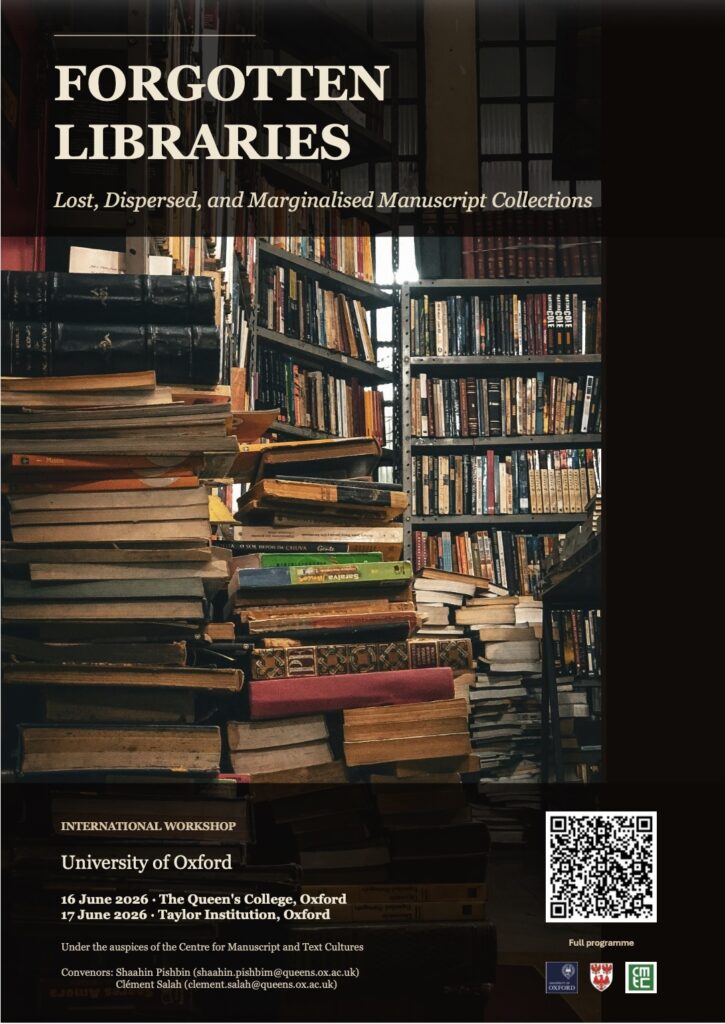
Forgotten Libraries

Lost, dispersed, and marginalised manuscript collections

For updates refer to the blog of the Centre for Manuscript and Text Cultures. For more information: clement.salah@queens.ox.ac.uk or shaahin.pishbin@queens.ox.ac.uk

Forgotten Libraries Poster

Memorial Room, The Queen’s College, Oxford

This workshop brings together scholars working across linguistic traditions, regions, and historical periods to reflect on manuscript collections that have been lost, dispersed, marginalised, or rendered invisible by cataloguing practices, institutional histories, displacement, empire, and changing political or linguistic orders. It asks how such collections can be located, reconstructed, and reintegrated into the study of manuscript and textual cultures. Across two days, papers will move between collection-level histories and close attention to individual artefacts, fragments, catalogues, ownership marks, repositories, and digital data. In doing so, the workshop explores how manuscripts preserve traces of vanished intellectual worlds, and how forgotten libraries continue to shape the ways knowledge is produced, transmitted, and remembered.

Day 1: Tuesday 16 June: The Making and Unmaking of Libraries

Memorial Room, The Queen’s College, Oxford

9:00 Welcome
9:15 Shaahin Pishbin & Clément Salah, “Introduction to Forgotten Libraries”

SESSION 1: RECONSTRUCTING DISPERSED LIBRARIES
9:30 Henrike Lähnemann, “Superfluous precious objects: Reconstructing the manuscript production of the Medingen nuns”
10:00 Nour Obeid, “Writers’ Libraries as Houses of Trouble: Fragmentation and Reconstruction in the Arab Region”
10:30 James White, “The Hyperlinked Manuscript: Reading and Bibliography in Seventeenth-Century Iran”
11:00 Coffee Break

SESSION 2: ENDOWMENT, COMMUNITY, AND THE FORMATION OF LIBRARIES
11:30 Judith Olszowy-Schlanger, “Endowment practices and the formation of Jewish libraries in the Islamicate world”
12:00 Ronny Vollandt, “A Qaraite Library in 11th century Jerusalem”

Lunch Break

SESSION 3: DISPLACEMENT, EMPIRE, AND RECONFIGURED COLLECTIONS
2:00 Hallie Swanson, “Between Royal Collection and Oriental Repository: The Forgotten Library of Fort William College”
2:30 Gulguncha Lalbekova, “Imperial Legacies and Displaced Heritage: The Case Study of Badakhshani Ismaili Manuscripts in Russian State Archives”
3.00 Coffee Break

SESSION 4: MARGINALISED TRADITIONS AND HIDDEN REPOSITORIES
3:30 Balasubramanyam Chandramohan, “Forgotten Manuscripts: Lost, Dispersed and Marginalised Manuscripts- a case study of Tamil and Telugu Palm-leaf Manuscripts”
4:00 Udaya Cabral, “Hidden Knowledge Hubs: Recovering the Neglected Palm-Leaf Manuscript Collections of Sri Lankan Monastic Libraries”

Day 2: Wednesday 17 June: Tracing and Reconstructing Forgotten Collections

Taylorian Room 2, Taylor Institution, Oxford

SESSION 5: CATALOGUES, DATA, AND THE PRODUCTION OF INVISIBILITY
9:30 Matt Lampitt, “(Un)Mapping the March: Lost Books, Ghost Data”
10:00 Sian Witherden, “Defining ‘Rejected’ and ‘Unidentified’ provenance in Medieval Libraries of Great Britain”
10:30 Maeve Hagerty, “Valued at nothing’: Unsettling the (Post)Colonial Archival History of the Danson Erotica Collection”
11.00 Coffee Break

SESSION 6: LIBRARIES WITHOUT SHELVES: SINGULAR OBJECTS AND DISPERSED WORLDS
11:30 Elisian Ralli, “A lost library by design: ‘Bibliophilie créatrice’ and the reinvention of the modern manuscript”
12:00 Thea Gomelauri, “Forced Migration of Rustaveli’s Epic Poem: Bodleian Library MS. Wardrop d.27”

Lunch Break

SESSION 7: TRACING LOST COLLECTIONS THROUGH FRAGMENTS AND OBJECTS
2:00 Zoe Screti, “Finding Life in Fragments: The Obfuscation of Autograph Albums in Archive Catalogues”
2:30 Ana Dias & Julia Smith, “‘The chest of anonymous relics’: Reconstructing the earliest relic collection of Sens cathedral (France)”
3.00 Coffee Break

ROUNDTABLE AND BROADER PERSPECTIVES
3.30 Collective discussion

New Directions in Old English Prose: Conference Report

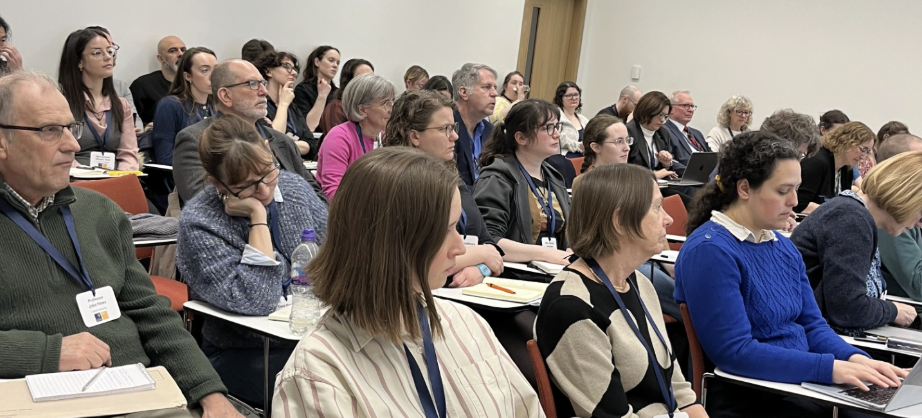
Over the course of two days, this international conference highlighted emerging directions in the study of the field. Hosted at the University of Oxford as part of Prof. Francis Leneghan’s AHRC-funded projected Writing Pre-Conquest England: A History of Old English Prose, the event brought together a diverse cohort of international senior scholars, early career researchers, and postgraduates. 25 papers were presented and over 60 delegates were in attendance. The features of the texts under study were remarkably broad, moving beyond traditional literary analysis to explore objects, inscriptions, glosses, and prefaces. By employing methodologies rooted in syntax, style, semiotics, and the history of gendered literacy, the contributors demonstrated that Old English prose remains a site of dynamic intellectual enquiry.

A significant theme that unified the sessions was a re-evaluation of the prose canon. For much of the twentieth century, the study of Old English prose was dominated by a teleological focus on the “great books” of the Alfredian era and the late tenth-century homiletic traditions of Ælfric and Wulfstan. This conference, however, placed these established corpora into dialogue with less canonical and a range of pre- and post-Alfredian materials. By integrating marginalia and vernacular glosses, historically sidelined in favour of “complete” or “literary” texts, the sessions highlighted the regional and linguistic diversity of the early medieval period of English literature.

Related to this reassessment of the canon was a shift away from a West-Saxon centred perspective toward a more nuanced dialectal landscape. Scholars explored the importance of the Northumbrian and Mercian traditions and interlinear glossing further emphasised the extent to which Old English prose reflects localised and context-sensitive literacy practices rather than a single uniform prose standard.

The inclusion of papers on women readers (and the possibility of female authorship) and the re-evaluations of wisdom within texts further expanded the scope of prose study. This social-historical approach suggests that “New Directions” in the field are not only about identifying new materials, but also about asking new questions of the texts we already possess.

As an undergraduate student, I found this bird’s-eye view of the field particularly illuminating. Many of the texts discussed, such as early Mercian prayerbooks and Northumbrian glosses, sit outside the standard undergraduate curriculum, yet the conference gave these materials space and challenged the traditional bounds of prose study. For the next generation of scholars, these “New Directions” offer an invitation to pursue fresh angles within the Old English corpus, ensuring that the work of the ROEP project will continue to shape future research in the field.

Libby Histed, Harris Manchester College

Medieval Germanists Gathering (GBOFFL 2026)

“meister, phiff uff, lasz vns springen.” – Maria Magdalena, Frankfurter Passionsspiel 8b (ll. 698–743)

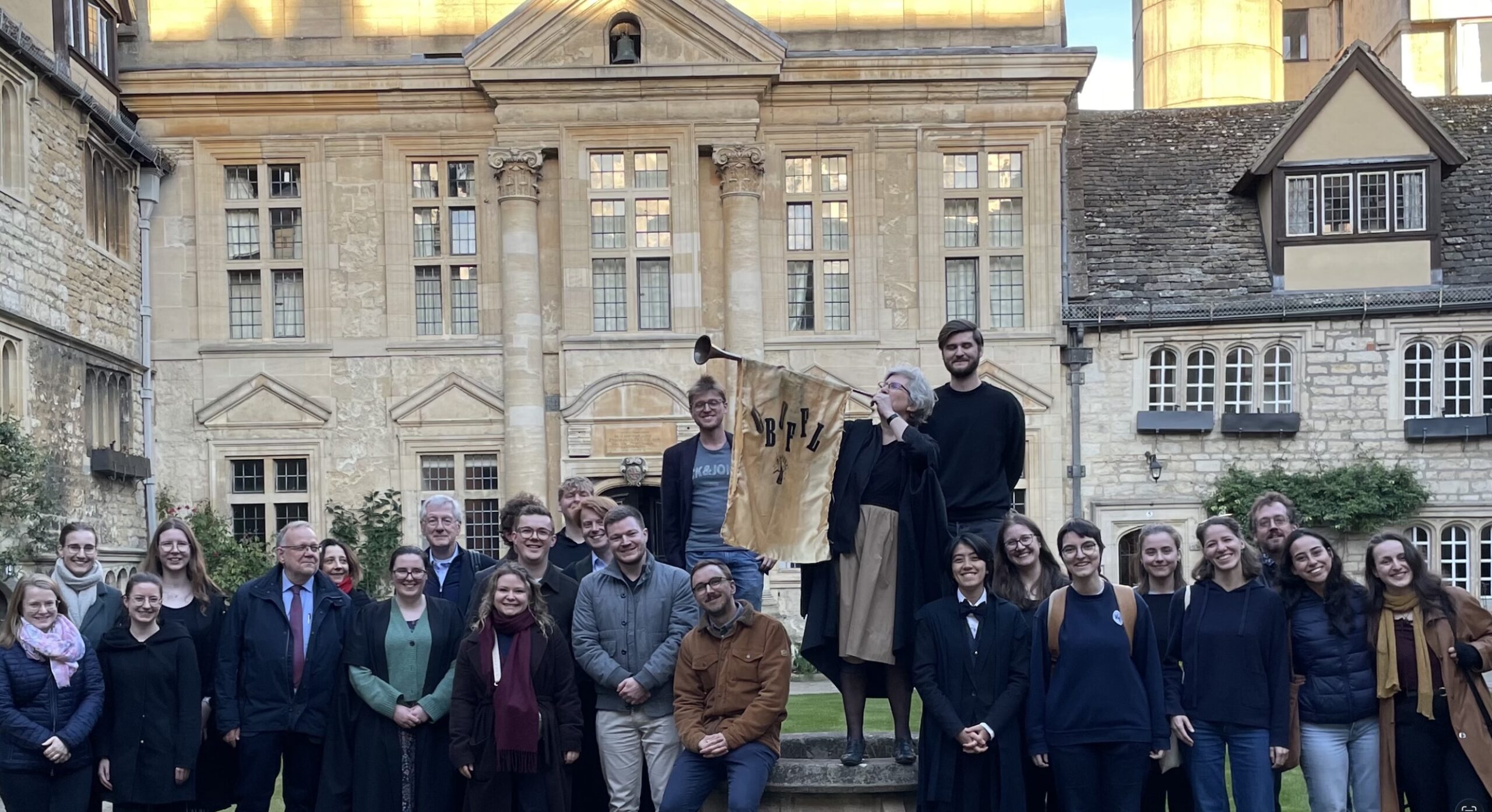
Enough rays to make functional the St Edmund Hall sundial; yellow, orange, and burgundy tulips; the four-note blast of that iconic hunting horn: these signs heralded the beginning of the three-day GBOFFL Conference of medieval Germanists one late afternoon in April.

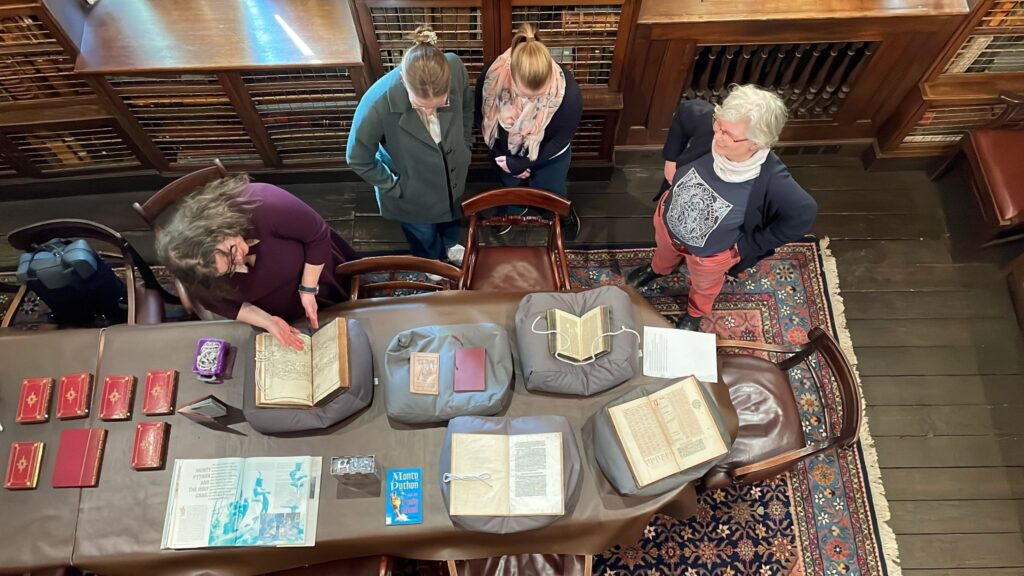
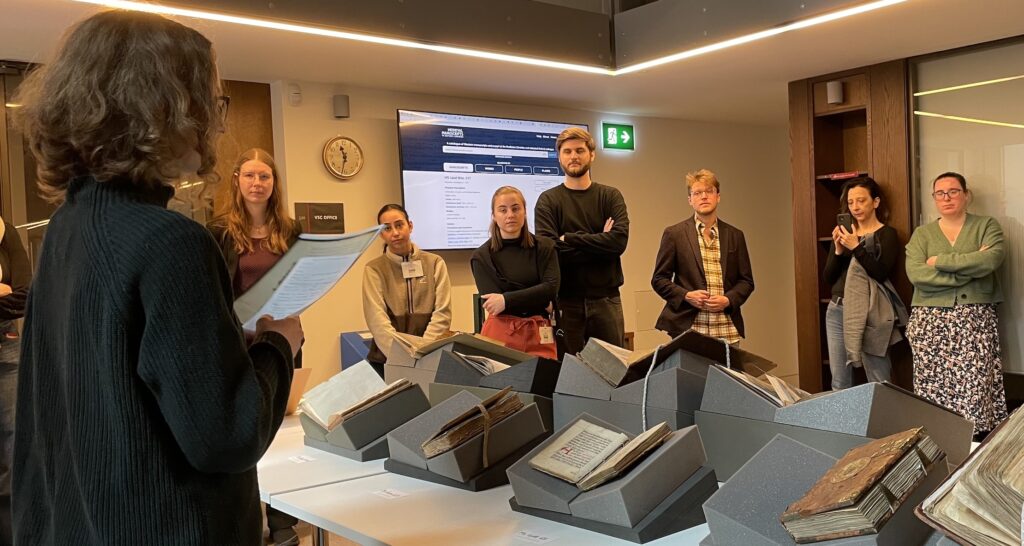
The GBOFFL participants — from universities whose cities make up the abbreviated title, i.e. Geneva, Bern, Oxford, Freiburg (im Breisgau), Freiburg (im Üechtland), and Lausanne — kicked off the conference with a gathering in the cosy, climate-controlled Old Library of Teddy Hall, where they noshed anise cake and perused materials from the Hall’s collection, including a pamphlet on St Edmund and a Monty Python-themed cardboard catapult.

GBOFFL participants engage with the Teddy Hall collections (Photograph: Giovanna Truong)

After the reception, and with the rare books safely stowed, the participants poured tea and coffee and partook in analyzing and performing the Passionsspiel, in particular scenes from the Frankfurt and Alsfeld versions which are being prepared for an edition focussing on the life of Mary Magdalen — more on this during a workshop on medieval German drama on 2 May!

With their dramatic prowess soundly proven, the Germanists poured into the Wadham Room of The King’s Arms for a celebratory pint, each looking forward to the schedule of lectures and workshops in the days to come.

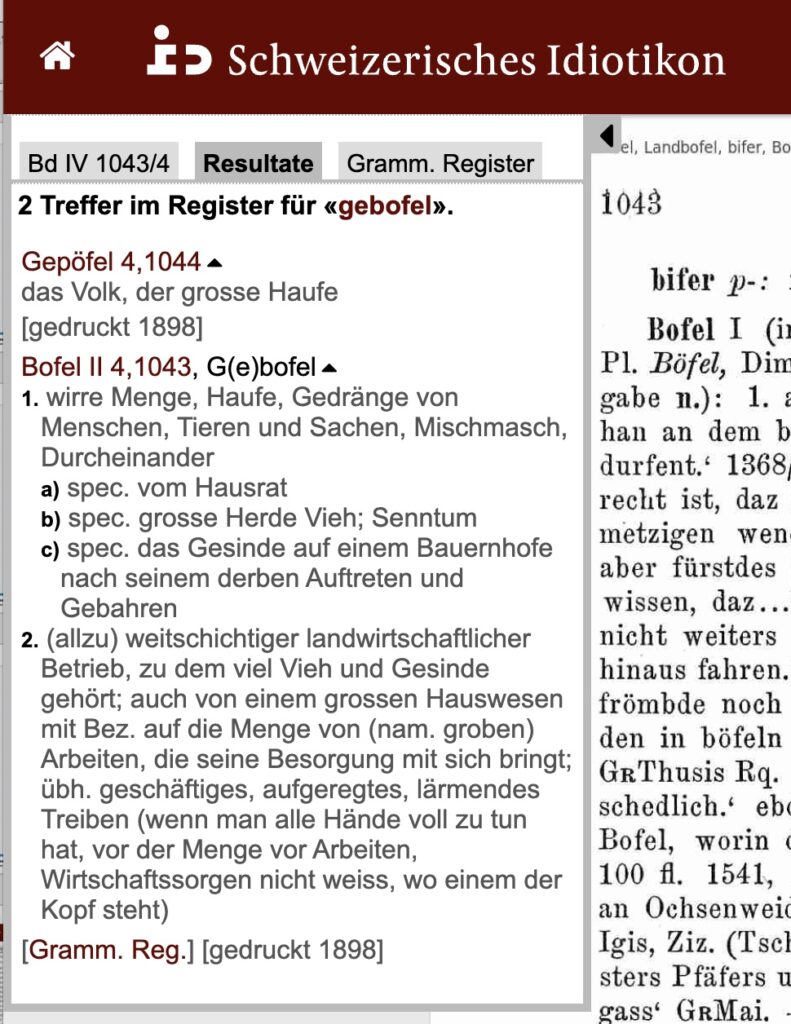
Gebofel in the Schweizerisches Idiotikon

The ninth of April saw a slate of four lectures by graduate scholars Monty Powell, Luke Cooper, Jasmin Eggel, and Felix Stürz. Each prepared a 30–40-minute presentation and fielded questions for the remainder of the given hour. Lively discussions ensued, on the voice of God, on magical poets, on video games, and on many further interesting topics, that are too many to elaborate here (,der zu vil zu schreiben wer’). A surprise lecture was given by Cornelia Herberichs on the etymology of the word GBOFFL, which proved not just to be an acronym, but a Swiss German description of a spirited (if labour-intensive) gathering.

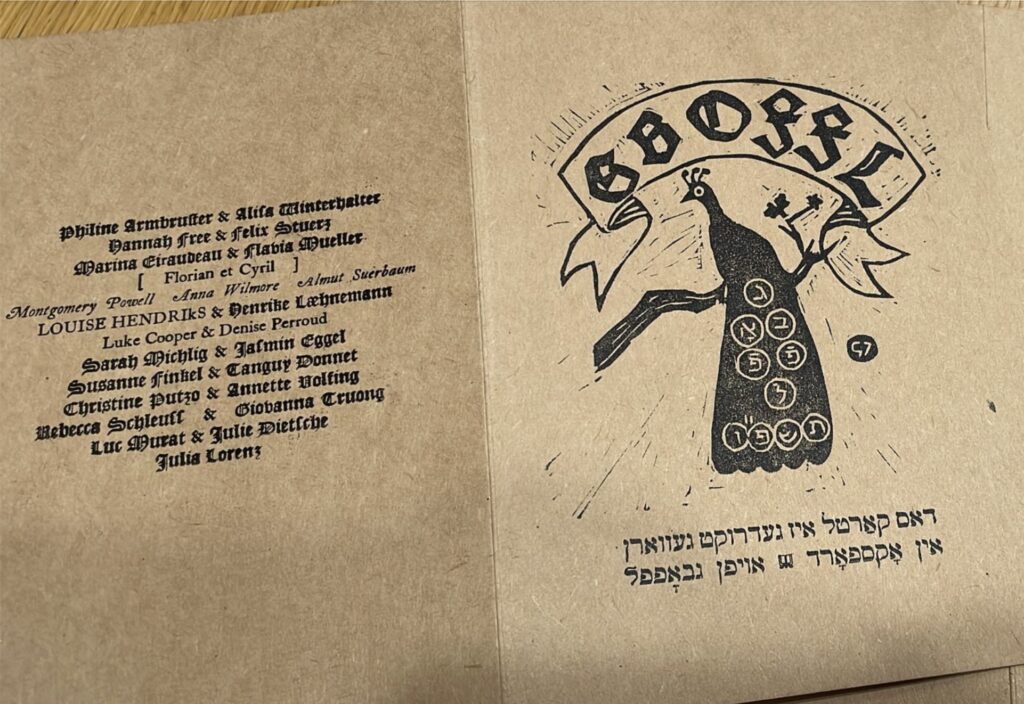
After lunch, doctoral student Giovanna Truong (that’s me) led a workshop on letterpress printing (and early Yiddish typography) in which the GBOFFL participants learned to set their own names in lead type. With the expertise of Richard Lawrence, the Bodleian Bibliographical Press’s master printer, the students and faculty were able to print the list of names on a card alongside a linocut image of a peacock under a GBOFFL banner (designed and produced by yours truly with materials and assistance from Henrike Lähnemann). Some participants also printed t-shirts bearing the unofficial logo.

The card lists the names of workshop participants and bears a description in Yiddish: “דאָס קאַרטל איז געדרוקט געװאָרן אין אָקספֿאָרד אויפֿן גבאָפֿפֿל” — “This card was printed in Oxford at the GBOFFL.”

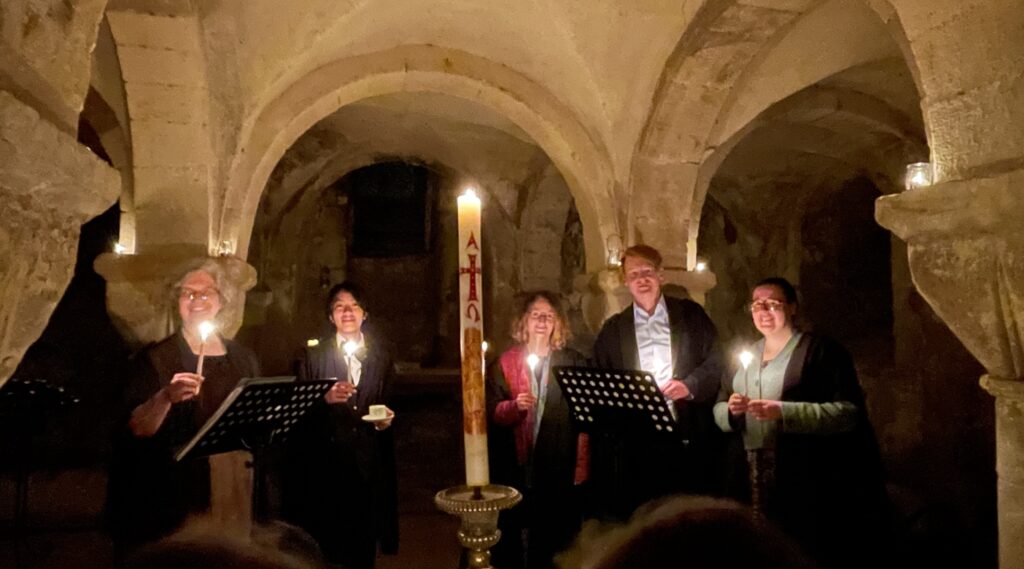
The day ended with a candlelit vegetarian dinner in the St Edmund Hall Old Dining Hall, where joyous chatter could be heard until twilight. Some of the merry group migrated to the Hall’s Crypt, where gowned Oxford scholars sang Compline in Latin and Middle High German around an Easter candle. The evening ended after sundown with the sung prayers of Havdalah, marking the end of the Jewish Passover holiday.

GBOFFL Schola in the Norman crypt of St-Peter-in-the-East, the library church of St Edmund Hall

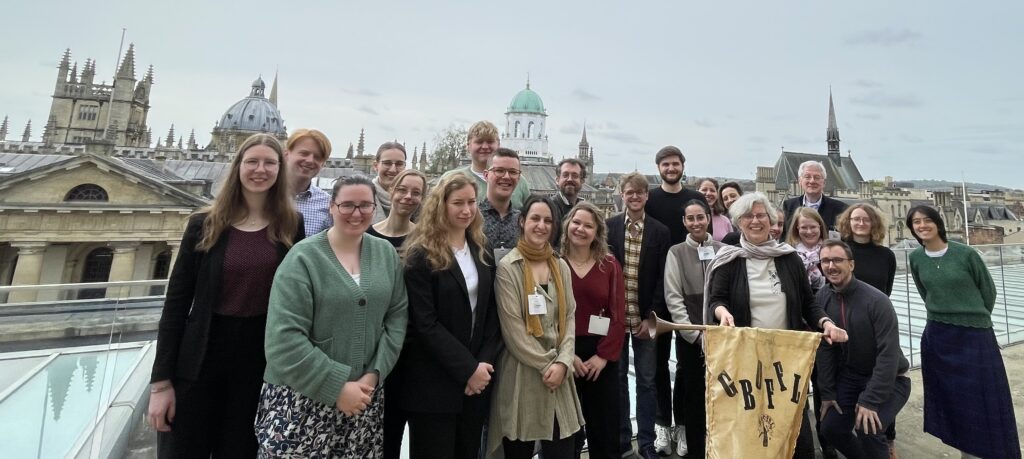
The GBOFFLers returned the next day to Teddy’s Doctorow Hall for an enlivening of the senses — an early lecture by Susanne Finkel on visual poetics in Partonopier and Meliur works. The schedule called for a trip to the Weston Library for the weekly Coffee Morning, this week led by Philine Armbruster, Lucian Shepherd, and Henrike Lähnemann on the topic of manuscript fragments (and, as usual, including a few minutes for gazing at the dreaming spires from the roof terrace).

Welcome to the Coffee Morning by Chris Fletcher

Manuscripts and Books shown:

  1. Otto von Passau ‚24 Alte‘: MS. Germ. b. 3, fols 2-3, ed. here https://editions.mml.ox.ac.uk/editions/otto-von-passau/);
  • Douce 212 Die vierundczweinczig Altē. od’ d’ guldin tron, GW M28503 Augsburg: Anton Sorg, 10.III.1480. 2° Letter by Wieland Schmidt, Die vierundzwanzig alten Ottos von Passau, Palaestra, 212 (Leipzig, 1938), 231-2 no. 1; See VL VII 229-34. Augsburg: Anton Sorg, 10 Mar. 1480. Folio. Wanting gathering [*] containing the register, sheet [05.6], and gathering [x]
  • Boec des gulden throēs of der xxiiij. ouden 1484[X.25] | herlem [J. Bellaert] | (fol.) Auct. 6 Q 5.23 GW M28517 Provenance: Haarlem, Netherlands, Franciscan Tertiary Nuns, S. Anna; inscription on r9r: Dit boec hoert toe den susteren van sinte Marien conuent binnen Haerlem in sinte Jans straet ende heeft ghege[n]en pieternel dirck der Ende marijtgen maertens der onse susteren tot een testement’. Purchased from Asher & Co. for £2.15.0; see Library Bills (1851-5), 77; Books Purchased (1853), 65. O-036 in Bod-Inc
  • Die vier und zweintzig Alten. Auffs new gebessert. Vet. D1 c.426, Dillingen: Sebald Meier 1568

2. Der Heiligen Leben

Fragments which were previously bound with the Der Heiligen Leben fragments

  • MS. Eng. hist. c. 36: summary catalogue, p. 865: was part of a series of unreferenced fragments &c. arranged as Palæographical Specimens, which was broken up in 1895. Now MS. Eng. hist. c. 36.
    1) a cardinal’s hat sent to Woolsey by the pope 15 Nov 1515, backed by the Bodleian (?) conservations; this presumably refers to the Cardinal’s hat still held at Christ Church https://www.chch.ox.ac.uk/news/cardinal-wolseys-hat-ipswich
    2) etc. mainly early modern letters, some 19th cent
    75, 76) list with specimen announcing and recouncing German-Turkish war

Rebecca Schleuß / Henrike Lähnemann: Regelhandschriften

Fun with Fragments manuscript presentation
The GBOFFL participants enjoyed exclusive views of Oxford.

The GBOFFL participants were allowed to stay for an extra hour-long manuscript workshop session with the aforementioned presenters plus Rebecca Schleuss, who showed off manuscripts of nuns’ regulations.

Rebecca Schleuß presenting manuscripts with monastic rules

After a lunch out on the town, the digestively sated but intellectually ravenous scholars rounded out the programme with two lectures, by Julie Dietsche and Hannah Free, which drew connections between printed works and manuscripts, and truth, fiction, and fanfiction, respectively. Their energetic presentations were the exclamation point at the end of a packed couple of days.

The group parted under sunny skies, promising to carry the warm, convivial, erudite spirit of the conference to next year’s gathering in Freiburg, Switzerland. Until then — zayt gezunt (be well)!

Medieval Matters – Vac

The OMS emails will be put on brief pause over the vac, although the blog will be continually updated with new events. Please see below a number of important opportunities and reminders before term starts. Of particular note to those interested in early medieval England (and who amongst us doesnt fall into that category) is the British Library’s upcoming PhD placement on the Norman Conquest. Applications are open for three PhD placements which will support the development of our upcoming major exhibition on the Norman Conquest, marking the 1,000th anniversary of the birth of William the Conqueror. Apply by Monday 6 April 2026. Apply by Monday 6 April 2026.

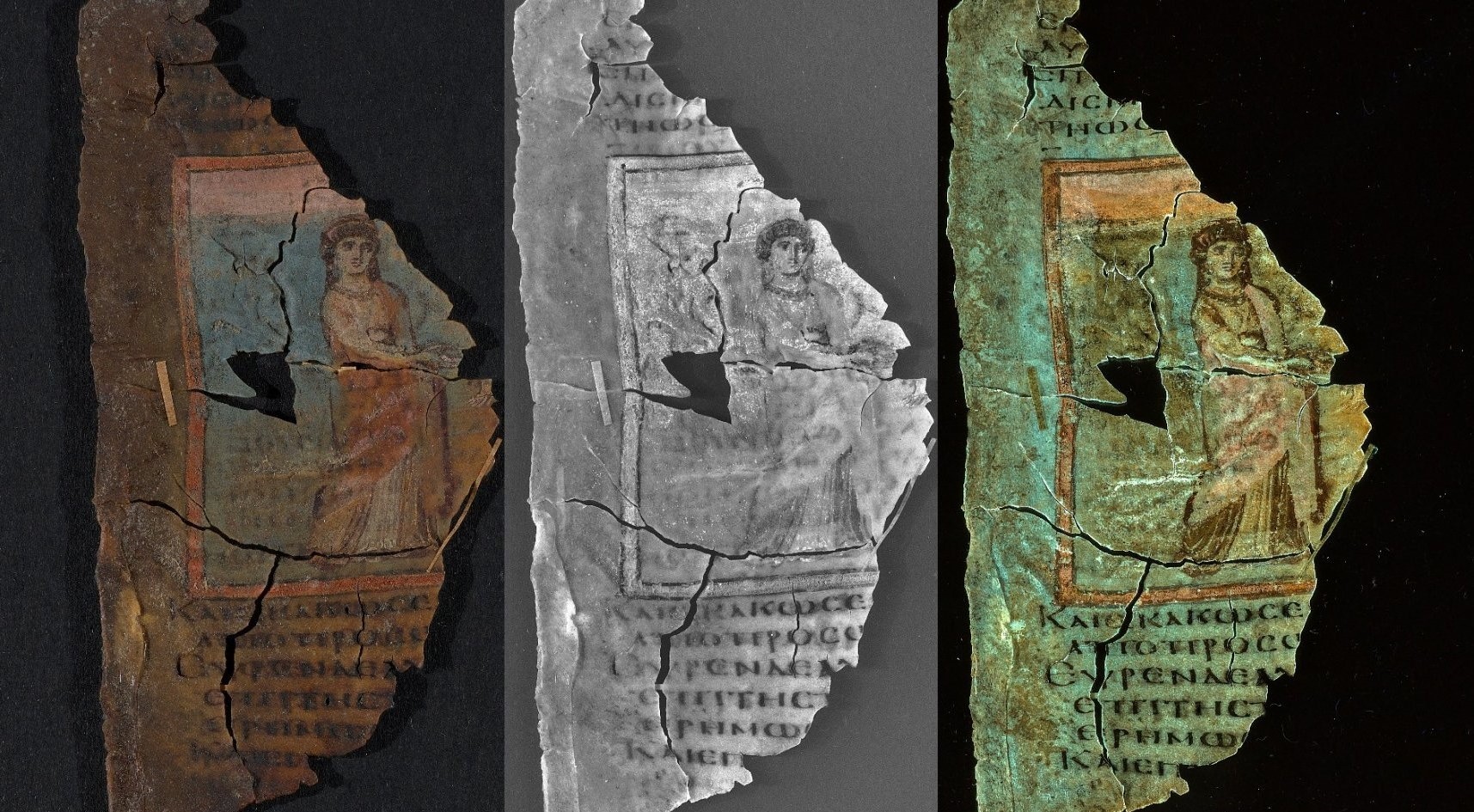
A Conference at the British Library: Multispectral Gaze: New Approaches to the Cotton Genesis

Friday 9th June, at 10:00

The British Library recently undertook a new multispectral digitisation campaign of the Cotton Genesis (British Library, Cotton MS Otho B VI), one of the greatest works of manuscript art to survive from late Antiquity and one of the most tragic casualties of the Cotton Library fire of 1731. The new imagery made visible parts of the manuscript unseen since the fire. Pages that look black to the naked eye now reveal portions of readable texts; illuminations that look like blocks of colour now show layers of paint, brush strokes, and fold outlines. This opens exciting opportunities for new research on this manuscript, which is a significant witness both of an influential late-antique visual tradition and of the text of the Septuagint. The British Library will celebrate the launch of the multispectral images of the Cotton Genesis on its website with an interdisciplinary conference fully dedicated to the manuscript: Multispectral Gaze: New Approaches to the Cotton Genesis.

View the full programme and register here.

Supported by the Paul Mellon Centre for Studies in British Art and the Association for Manuscripts and Archives in Research Collections (AMARC).

Thank to support from AMARC, five free student tickets are available. To apply, please contact  elena.lichmanova@bl.uk and e.zingg@hist.uzh.ch.

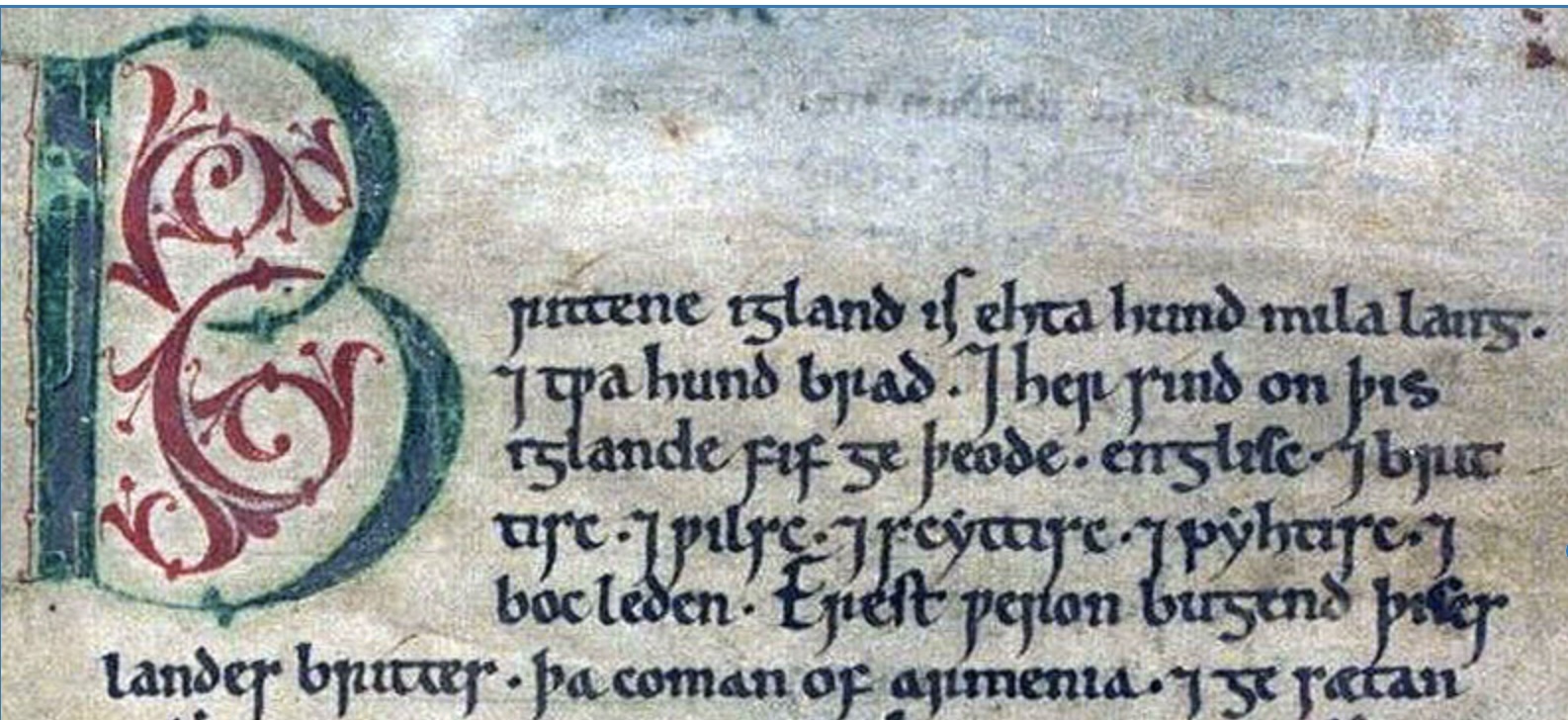
Peterborough Chronicle, first page

Conference: New Directions in Old English Prose

University of Oxford – 30 March 2026

L1 Lecture Theatre 10.300 Stephen A. Schwarzman Centre for the Humanities, Radcliffe Observatory Quarter, Woodstock Road, Oxford, OX2 6GG, Faculty of English Language and Literature, University of Oxford

Registration is now closed for this event, which is sold out.

Day 1: 30th March 2026

08.30–9.00: Welcome and Registration

09.00–10.30: Session 1: Early Prose (chair: Tom Revell)

Samuel Cardwell (University of Nottingham), ‘The Earliest English Sentence? Old Northumbrian psalm glosses in MS Pal. Lat. 68‘

Maura McKeown (University of Oxford), ‘The Four Senses of Scripture and the Vespasian Psalter Glosses‘

Emily Kesling (University of Bergen), ‘The Old English Exhortation to Prayer and the “Mercian Prefacing Tradition”‘

10.30–11.00: Tea and coffee break

11.00–12.00: Session 2: Putting Prose in its Place (chair: Helen Appleton)

Christine Rauer (University of St Andrews),  ‘Assigning Mercian Texts to Places and Individuals‘

Tristan Major (Pontifical Institute of Mediaeval Studies), ‘Old English Prose at Winchester, c. 940–c. 1100‘

12.00–12.15: Comfort break

12.15–13.00: Keynote 1 (chair: Francis Leneghan): 

John Hines (University of Cardiff), ‘Syntax, Style and Semiotics: How Anglo-Saxon Inscriptions help to frame and define Old English Prose‘

13.00–14.00: Lunch break [sandwich lunch provided] 

14.00–15.30: Session 3: New Contexts for Alfredian Prose (chair: Amy Faulkner)

Nagore Palomares (University of the Basque Country), ‘Weaving the Vernacular: Tracing Frankish Influences in Old English Texts‘

Alice Jorgensen (Trinity College Dublin),  ‘Gesceadwisnes in the Alfredian Prose Translations‘

Eleni Ponirakis (University of Nottingham/UCL/University of Oxford),  ‘Swa swa leof on treowum: Eriugena and the Alfredian Solioquies‘

15.30–16.00: Tea and coffee break 

16.00–17.30: Session 4: Repurposing Prose (chair: Jasmine Jones)

Courtnay Konshuh (University of Calgary),  ‘Missing Ealdormen: Editing Chronicle Prose‘

Claudio Cataldi (University of Palermo),  ‘Rewriting Christianisation in King Edgar’s Establishment of the Monasteries‘

Gabriele Cocco (University of Bergamo),  ‘From Cloak to Allegory: Christian Adaptations in the Old English Apollonius of Tyre‘

17.30–17.45: Comfort break

17.45–18.30: Keynote 2 (chair: Niamh Kehoe):

Luisa Ostacchini (University of Oxford), ‘Thinking Global, Acting Local: The Old English Martyrology’s Worldview and Mercian Prose Composition‘

18.30: Drinks Reception and Book Celebration

20.00: Conference Dinner

Day 2: 31st March

09.00–10.30: Session 5: Prose beyond the Pulpit (chair: Francis Leneghan)

Stefan Jurasinski (SUNY Brockport), ‘Beyond Wulfstan: The Homiletic Element in Old English Legislation‘

Anine Englund (University of Oxford), ‘Revisiting the Old English Soul-and-Body Homilies‘

Elaine Treharne (Stanford University), ‘Women Readers (and Writers?) of Old English Prose‘

10.30–11.00: Tea and coffee break

11.00–12.00: Session 6: Inclusion and Exclusion, Then and Now (chair: Hannah Bailey)

Juliet Mullins (University College Dublin), ‘Ignored and Obscured: “Behind the Scenes” of Ælfric´s Lives of Saints‘

Rebecca Stephenson (University College Dublin), ‘Weeding out the Danes: An examination of gardening metaphors in Latin and Old English prose texts describing Viking attacks and/or religious conversions‘

12.00–12.15: Comfort break

12.15–13.00: Keynote 3 (chair: Amy Faulkner):

Daniel Anlezark (University of Sydney),  ‘West Saxon Prose from Alfred to Ælfric‘

13.00–14.00: Lunch break [sandwich lunch provided] 

14.00–15.30: Session 7: Wulfstan’s Style (chair: Rachel A. Burns)

Winfried Rudolf (University of Göttingen), ‘Wulfstan’s Autograph Homily on Baptism and Its Echoes‘

James Titterington (University of Oxford), ‘Prose in Progress: Tracing Wulfstan’s Intellectual Development through Autograph Evidence‘

Thomas A. Bredehoft (Chancery Hill Books), ‘Wulfstan’s Prose‘

15.30–16.00: Tea and coffee break

16.00–17.30: Session 8: Saints and Sinners (chair: Niamh Kehoe)

Claudia Di Sciacca (University of Udine),  ‘Gūþ-Lāc vs Se Ealda Fēond? New Directions in the Demonology and Angelology of Gulthlac’s Old English Prose Tradition‘

Susan Irvine (University College London), ‘The Bridge as a Penitential Motif in Old English Prose‘

Corinne Clark (University of Oxford), ‘Fashioning fragmentation in the Corpus Christi MS 303 Life of St. Margaret‘

17.30: Close

Organising committee: Helen Appleton (Oxford), Rachel A. Burns (Oxford), Amy Faulkner (UCL), Niamh Kehoe (Oxford), Francis Leneghan (Oxford)

Contact: Francis Leneghan

Header image: Peterborough Chronicle