Report by Nicoletta Iaquinoto, intern with Oxford Medieval Studies, for Michaelmas 2026
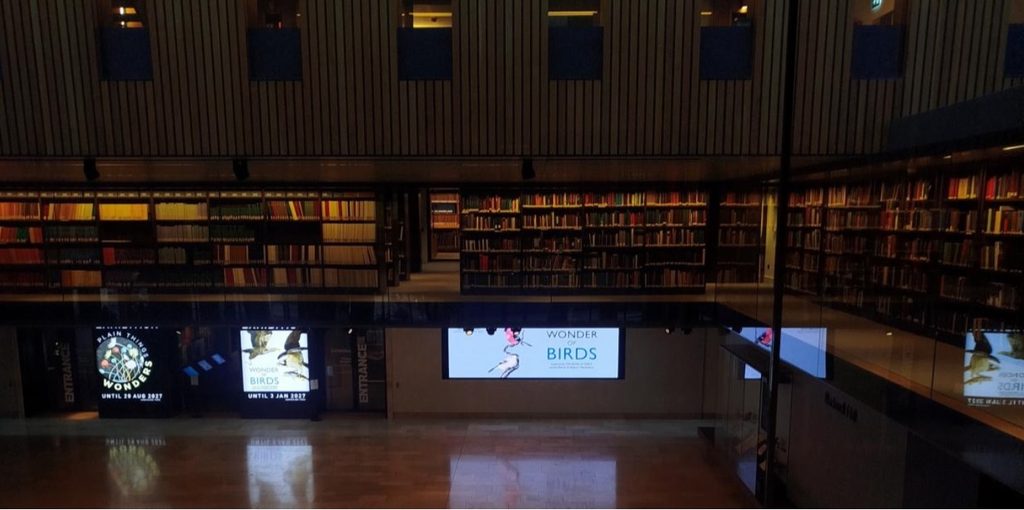
When Henrike Lähnemann told me that part of my internship with Oxford Medieval Studies would take place at the Weston Library, I had not yet realised quite how vast and magnificent this library was. Even before securing the position, I had been amazed by the quantity and quality of manuscripts I was able to examine during just two classes, Palaeography and History of the Book, with Laure Miolo. In each seminar, Laure brought in an impressive number of manuscripts for us to consult (see the report on session 1 and on session 2 on the History of the Book blog). Thanks to Henrike, I then had the opportunity to explore this beautiful place in greater depth and to read as much as possible during my time in Oxford.
My internship focuses on the preservation of manuscripts and microfilms. For anyone interested in discovering how an archive works, it is the perfect opportunity to put theory into practice. Matthew Holford, one of the Bodleian curators, assigned me to work on the Canonici Italian manuscripts, and so my training began.
The Canonici collection was assembled by Matteo Luigi Canonici, an Italian abbot born in Venice in 1727. He collected a vast number of classical and rare manuscripts, as well as printed books, which were highly prized by intellectuals. After his death, the Venetian government attempted to acquire his entire library, but the terms of the sale remained unresolved. During the negotiations, Abbot Morelli, librarian of the Biblioteca Marciana, was appointed to assess the contents of this immense collection. The prolonged negotiations with the Venetian government eventually came to an end when the Bodleian Library acquired the collection in 1817.
Following Abbot Morelli’s initial draft, the catalogue made its way to Oxford, where Count Mortara took over the task of completing it. After his death in 1855, Abbot Giuseppe Manuzzi completed the volume, which has remained unchanged ever since.
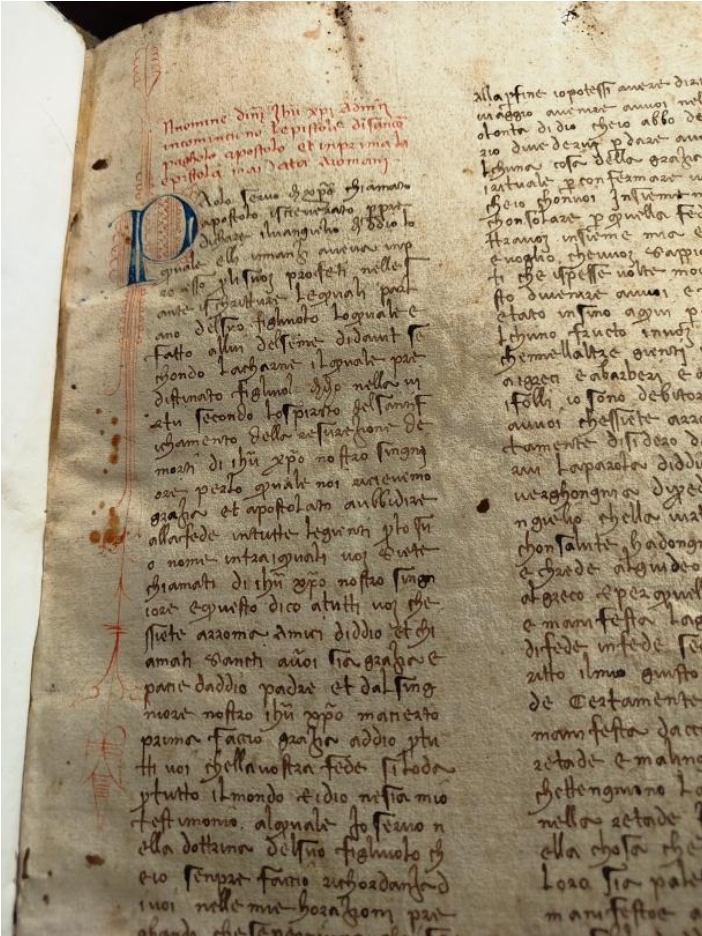
The catalogue is like a compass: having the right tool in your hands is essential if you are not to lose your way. For this reason, one of the curators decided that the catalogue should be reviewed and made available online. I was entrusted with this task.
Describing a manuscript is a delicate form of archaeological work, requiring a keen eye to understand the significance of each of its components. Detail by detail, there is always something new to discover, and every element has its importance. Throughout my internship, the curator and other academics have guided me through challenging questions, discussed important points with me and helped me whenever I have been uncertain. Moreover, I have benefited enormously from working alongside people who know the library as though it were their own home.
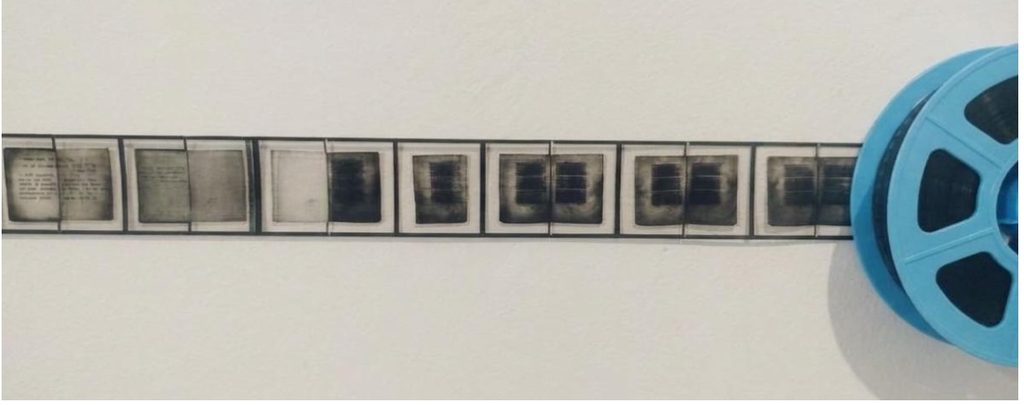
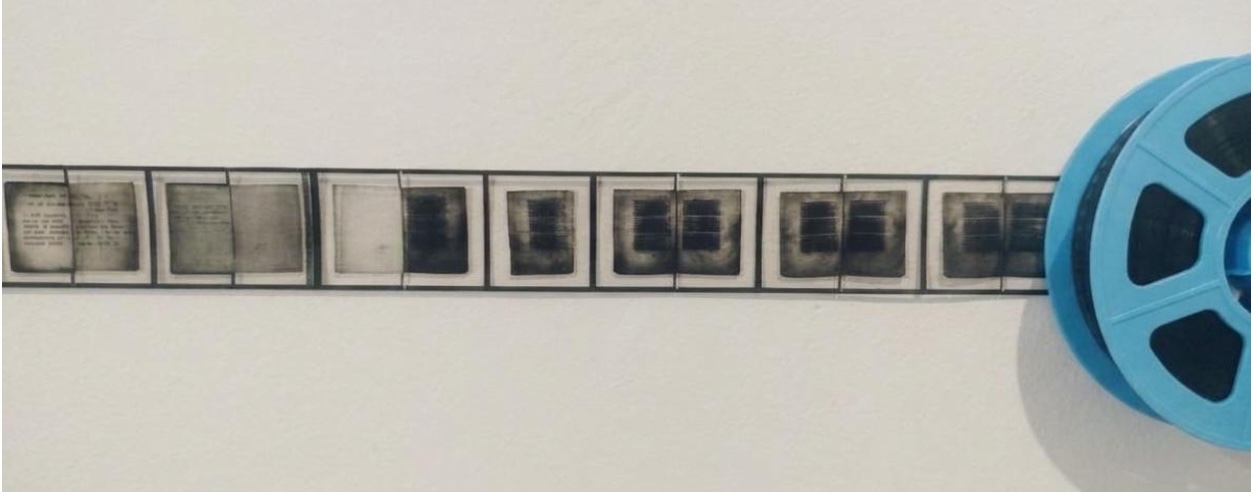
The second part of my internship involves cataloguing microfilms. An almost endless number of them were waiting for someone to rescue them from obscurity. Most contain reproductions of manuscripts, but I have also come across more recent material, such as letters and contemporary documents from official archives.
I am still working on this task, so I cannot yet say how many microfilms I will have catalogued by the end of my internship. So far, my list includes around three hundred. Each has been selected, checked, identified where possible and placed in a crate, awaiting further work to rescue it from oblivion.
This part of my internship reminds me of a register office, where people’s details are recorded to establish their identity. The same applies to microfilms. The most challenging cases are those without any identifying information. For each of these, I try to reconstruct its history using a microfilm reader, although it is not always possible to establish exactly what it contains.
It is remarkable to think about all the work that goes on behind the scenes in a library. Those who use libraries regularly tend to appreciate the results of a long process, without necessarily being aware of the work that made them possible. Ultimately, it does not matter who rescued the microfilms from oblivion. What matters is that they can now be consulted by everyone.